Upholstery Cleaning Singapore: Professional Sofa & Fabric Furniture Cleaning for a Fresher, Healthier Home
Your sofa may look clean. But when was the last time it was professionally cleaned inside the fabric?
Every day, upholstered sofas, dining chairs, armchairs, mattresses, cushions and fabric furniture collect more than what the eye can see. Dust, body oils, sweat, food particles, pet hair, pet dander, allergens and everyday dirt can gradually become trapped deep inside the upholstery.
In Singapore’s warm and humid environment, keeping fabric furniture clean is particularly important. Upholstery is constantly exposed to moisture from the surrounding environment, human perspiration, spills and everyday use. Over time, a once-fresh sofa can develop unpleasant smells, visible stains, sticky fabric, dull colours and a generally unclean feeling.
That is why professional upholstery cleaning in Singapore is not simply about making a sofa look nicer.
It is about maintaining your furniture, improving cleanliness, reducing the buildup of unwanted contaminants and creating a more comfortable environment for the people who use it every day.
Professional Upholstery Cleaning Singapore – More Than Just Removing Stains
Many homeowners only consider sofa cleaning when they notice an obvious stain, such as:
- A spilled drink
- Food marks
- A child’s dirty hands
- Pet accidents
- A strong smell
But upholstery can become dirty long before a problem becomes visible.
Dust and allergens can settle into fabric and cushioning. Upholstered furniture can also harbour dust-mite allergens, pet dander and other particles found in household dust. The American Lung Association notes that dust mites can live in upholstered furniture and that their allergens can affect people who are allergic or sensitive to them.
Regular vacuuming is useful, but it does not necessarily remove everything that has accumulated deep inside upholstery.
That is where professional upholstery cleaning Singapore services can make a difference.
Why Do You Need Upholstery Cleaning in Singapore?
Your sofa is probably one of the most frequently used pieces of furniture in your home.
Think about how many hours your family spends on it:
- You sit on it after work
- Your children play on it
- Guests sit on it
- You eat snacks while watching television
- Pets may sleep on it
- You may even take a nap on it
Every time someone uses the sofa, small amounts of skin flakes, body oils, sweat, dust and other particles can be transferred onto the fabric.
Over weeks, months and years, this creates a gradual buildup that ordinary surface cleaning may not completely remove.
1. Upholstery traps dust and allergens
Fabric furniture has thousands of tiny fibres and spaces where dust and particles can settle.
Household dust may contain a mixture of particles including pollen, pet dander, dust-mite material, mould spores and other biological contaminants. The U.S. Environmental Protection Agency recommends regular cleaning of furniture and other surfaces to reduce the accumulation of indoor dust and allergens.
For people who are sensitive to dust mites or certain allergens, reducing unnecessary exposure can be particularly important.
2. Singapore’s humid climate makes cleanliness more important
Singapore has a warm, humid climate.
Moisture can come from the surrounding air, perspiration, accidental spills and everyday household activities. Excess moisture indoors can contribute to conditions that support dust mites and mould growth, making moisture control and good indoor environmental management important.
This does not mean every dirty sofa contains mould or harmful bacteria. However, it does mean that leaving upholstery neglected for years is not an ideal approach to household cleanliness.
3. Your sofa absorbs body oils and sweat
Even when your sofa does not look dirty, repeated contact with skin can leave behind body oils and perspiration.
Over time, this may make certain areas feel:
- Sticky
- Greasy
- Darker than surrounding fabric
- Flat or dull
- Less fresh
This is especially noticeable on frequently used armrests, headrests, seat cushions and the centre of the sofa.
4. Food and drink spills can leave more than a stain
Coffee, tea, milk, soft drinks, sauces and food can penetrate upholstery.
The visible stain may disappear partially while residues remain deeper within the fabric.
Certain spills can also produce unpleasant odours if they are not properly treated.
Professional upholstery cleaning aims to address both the appearance and the underlying contamination rather than simply masking an odour with fragrance.
Health Risks of Neglected Upholstery: What You Should Know
A dirty sofa should not automatically be described as a direct cause of illness. Health effects depend on the contaminants present and the sensitivity of the individual.
However, neglected upholstered furniture can contribute to household exposure to dust and allergens.
This matters particularly for people who are sensitive to dust mites, pet allergens or other indoor pollutants.
The American Lung Association identifies dust mites as an important indoor trigger for people with dust-mite allergies and asthma. Dust-mite allergens can accumulate in mattresses, carpets and upholstered furniture.
The EPA similarly notes that dust mites can be found in upholstered furniture and that their body parts and droppings can trigger asthma in people with dust-mite allergies.
What problems can neglected upholstery contribute to?
Depending on the person’s sensitivity and the condition of the environment, accumulated dust and allergens may be associated with symptoms such as:
Sneezing and nasal irritation
Dust and allergens can irritate sensitive individuals, particularly those who already experience allergies.
Itchy or watery eyes
Allergens in household dust can contribute to irritation for sensitive people.
Coughing or respiratory discomfort
Dust and allergens can aggravate symptoms in some individuals, particularly those with asthma or allergies.
Unpleasant odours
Old spills, accumulated body oils, pet-related contamination and moisture can create persistent smells that ordinary air fresheners only temporarily cover.
A generally unclean environment
Even when there is no specific health problem, sitting on furniture that feels greasy, smells unpleasant or visibly contains stains can affect comfort and confidence.
For households with allergy or asthma concerns, upholstery cleaning should be considered as one part of an overall cleaning strategy—not as a substitute for medical treatment or good ventilation.
Singapore’s National Environment Agency also emphasises the importance of maintaining good indoor air quality and reducing sources of indoor pollutants.
7 Signs Your Sofa Needs Professional Upholstery Cleaning
Not sure whether your sofa needs cleaning?
Look for these warning signs.
1. The sofa smells when you get close
You may not notice a smell immediately because you become accustomed to the odour in your own home.
Ask a guest to sit on the sofa or leave the room for a few minutes and come back.
If you suddenly notice a musty, sweaty, oily or pet-like smell, it may be time for professional cleaning.
2. The fabric looks darker where people sit
Frequently used seating areas can become darker due to accumulated oils, dirt and everyday contamination.
3. Your sofa feels greasy or sticky
A freshly cleaned upholstery surface should not feel heavily coated with body oils or residue.
4. There are old food and drink stains
Older stains can become increasingly difficult to remove.
The longer a stain remains untreated, the more likely it is to become embedded in the fabric.
5. You have pets
Pets spend a lot of time on sofas, transferring hair, dander, dirt and outdoor particles onto upholstery.
6. Children frequently use the sofa
Children may eat, play and sleep on furniture, resulting in more frequent contamination and spills.
7. It has been years since the last deep clean
If you cannot remember the last time your sofa received a professional deep clean, that alone is a good reason to inspect its condition.
The Real Customer Pain: Why Singapore Homeowners Put Off Sofa Cleaning
Many customers know their sofa needs cleaning but keep delaying it.
Why?
Because the sofa still “looks okay.”
That is one of the biggest problems.
You may be thinking:
“It is only a little dirty. I will clean it next month.”
Then another month passes.
Then another.
Eventually the sofa has accumulated years of dirt.
Customers often contact a professional upholstery cleaning company only after they experience one of these situations:
“My sofa smells even after I vacuum it.”
“The armrest has become very dark.”
“My child spilled milk on the sofa.”
“My dog keeps sitting on the sofa and now it smells.”
“I tried cleaning the stain myself and it became worse.”
“The sofa was expensive and I don’t want to replace it yet.”
“My sofa looks clean from far away, but the fabric feels dirty.”
These are real upholstery problems that ordinary household cleaning may not solve effectively.
Don’t Replace Your Sofa Just Because It Looks Old
A high-quality sofa can be expensive.
Replacing an entire sofa because of stains, odour and accumulated dirt may cost substantially more than having the upholstery professionally cleaned.
Professional upholstery cleaning can help restore the appearance and freshness of furniture that is still structurally sound.
However, cleaning cannot make every old sofa look brand new.
Deep scratches, permanent dye damage, fabric wear, fading, tears, burns and structural damage may not be reversible.
That is why a professional assessment is important.
A good cleaning provider should look at the upholstery material, condition, stains and level of soiling before deciding on an appropriate cleaning approach.
Why Professional Upholstery Cleaning Is Better Than DIY Cleaning
DIY cleaning can work for minor spills and routine maintenance.
But upholstery is not the same as a normal hard surface.
Different fabrics react differently to moisture, chemicals, heat and agitation.
Using too much water can create problems such as prolonged drying.
Using an unsuitable chemical can cause colour loss or fabric damage.
Scrubbing aggressively can spread a stain or damage delicate fibres.
Applying too much detergent can leave residues behind.
Professional cleaning is therefore not simply about using “more water” or “stronger chemicals.”
The objective should be to clean effectively while respecting the material being treated.
Professional Upholstery Cleaning Singapore for Different Furniture
Upholstery cleaning is not limited to sofas.
Professional cleaning may also be suitable for:
Fabric Sofas
Remove accumulated dirt, body oils, dust and common stains from frequently used seating areas.
Armchairs
Armrests and seat areas often receive heavy use and can become noticeably darker over time.
Dining Chairs
Dining chairs are exposed to food crumbs, sauces, drinks and everyday household dirt.
Office Chairs
Office chairs can accumulate sweat, body oils, dust and food particles after years of daily use.
Fabric Headboards
Headboards can collect dust and body oils because they are frequently in contact with hair and skin.
Cushions
Cushions may absorb sweat, food spills, pet hair and odours.
Fabric Car Seats
Vehicle upholstery can become contaminated with food, drinks, body oils, dust and pet-related dirt.
Why Regular Upholstery Cleaning Makes Sense
Professional upholstery cleaning should not necessarily be treated as something you do only after a disaster.
A better approach is preventative maintenance.
Routine cleaning can help:
Maintain a cleaner-looking sofa
Removing accumulated dirt can restore a fresher appearance.
Reduce the buildup of dust and allergens
Cleaning is one component of an overall strategy for managing household dust and allergens.
Control unpleasant odours
Professional cleaning can help remove the source of some odours rather than simply covering them with fragrance.
Protect your furniture investment
Regular maintenance can help keep furniture looking presentable and may delay the need for replacement when the sofa is otherwise in good condition.
Improve everyday comfort
There is a major difference between sitting on a sofa that feels fresh and one that feels oily, dusty or smells unpleasant.
Upholstery Cleaning Singapore: What Should a Professional Service Focus On?
A quality upholstery cleaning service should begin with the furniture—not with a one-size-fits-all cleaning method.
The cleaning process should consider:
Fabric Type
Different upholstery materials may require different techniques.
Level of Soiling
A lightly soiled sofa and a sofa that has not been cleaned for many years are different jobs.
Stain Type
Coffee, tea, grease, food, ink, cosmetics and pet-related stains may require different treatment approaches.
Fabric Condition
Older or weakened fabric requires additional care.
Moisture Sensitivity
The amount of moisture used should be appropriate for the upholstery material and cleaning method.
Drying
Proper drying is important after wet or low-moisture cleaning.
The goal is not simply to make the sofa smell like cleaning chemicals.
The goal is cleaner, fresher and better-maintained upholstery.
How to Keep Your Sofa Cleaner Between Professional Services
Professional cleaning works best when combined with regular home maintenance.
Vacuum your sofa regularly, especially if you have children or pets.
Clean spills as soon as possible instead of allowing them to soak deeper into the fabric.
Avoid eating messy foods directly over delicate upholstery when practical.
Keep pets clean and groomed if they frequently use upholstered furniture.
Maintain sensible indoor humidity and ventilation.
Do not saturate upholstery with water or household chemicals unless the manufacturer specifically indicates that the material can safely tolerate them.
Regular maintenance helps reduce the amount of contamination that accumulates between professional cleaning sessions.
When Should You Book Upholstery Cleaning in Singapore?
You should consider professional upholstery cleaning when:
- Your sofa has visible stains.
- Your furniture has developed an unpleasant smell.
- The seating areas look darker or greasy.
- Your sofa has not been deep cleaned for a long time.
- You have pets using the furniture.
- Children frequently eat or play on the sofa.
- You are moving into a new home.
- You are preparing your home before selling or renting it.
- You are expecting guests.
- You recently purchased a second-hand sofa.
- You want to maintain an expensive sofa rather than replace it.
Your Sofa May Look Clean — Until It Is Professionally Cleaned
One of the biggest misunderstandings about upholstery is that visible appearance equals cleanliness.
It doesn’t.
A sofa can look reasonably clean while still containing years of accumulated dust, body oils, crumbs, hair and allergens.
That is why professional upholstery cleaning Singapore can be a worthwhile part of home and office maintenance.
You do not have to wait until the sofa becomes heavily stained.
You do not have to wait until your guests notice the smell.
And you do not necessarily need to replace an otherwise good sofa simply because the fabric has become dull or dirty.
A professional cleaning service can assess the upholstery and determine whether cleaning is appropriate for its material and condition.
Professional Upholstery Cleaning Singapore – Get Your Sofa Fresh Again
Your sofa is one of the most used pieces of furniture in your home.
It deserves more than occasional vacuuming.
If your upholstery has accumulated stains, dust, body oils, pet hair, food residue or unpleasant odours, professional cleaning can help bring it back to a cleaner and fresher condition.
Don’t wait until a small cleaning problem becomes a major furniture problem.
Give your sofa the deep clean it has been missing.
📲 WhatsApp SGcleanXpert for Professional Upholstery Cleaning Singapore Now
WhatsApp: +65 8417 1368
💬 Chat Now
Frequently Asked Questions About Upholstery Cleaning Singapore
1. How often should upholstery be professionally cleaned?
2. Can professional upholstery cleaning remove all stains?
3. Is upholstery cleaning useful for homes with pets?
4. Can upholstery cleaning help with dust mites?
5. Should I clean my sofa myself?
6. Does a clean-looking sofa still need cleaning?
7. Is upholstery cleaning only for homes?
8. Why should I professionally clean my sofa instead of just vacuuming it?
Professional upholstery cleaning is intended to provide a deeper clean while using a method appropriate for the furniture material.
9. How often should I have my sofa professionally cleaned?
10. Should I wait until my sofa looks dirty before cleaning it?
A sofa may accumulate dust, body oils, sweat and other contaminants before obvious staining becomes noticeable. Preventive cleaning can be easier than waiting until the upholstery becomes heavily soiled.
11. Can upholstery cleaning remove old stains?
Results can vary according to the substance, age of the stain, fabric type, previous cleaning attempts and whether the stain has permanently altered the material.
Professional cleaning can improve many stains, but no reputable company should guarantee that every stain will disappear completely.
12. Can you remove coffee and tea stains from sofas?
The sooner a spill is addressed, the better the potential outcome.
13. Can you remove food stains from upholstery?
Greasy foods, sauces, dairy products and coloured foods may require different treatment approaches.
14. Can upholstery cleaning remove pet urine smell?
Professional treatment may help reduce odours and contamination, but severe or deeply penetrated urine damage may not be completely removable in every case.
15. Will professional cleaning remove pet hair?
Regular vacuuming and grooming remain useful for ongoing maintenance.
16. Is upholstery cleaning suitable for homes with dogs and cats?
Cleaning should be combined with regular vacuuming and other household cleaning practices.
17. Can upholstery cleaning remove bad sofa smells?
However, some odours may originate from deeper materials, moisture problems or permanent contamination, so results depend on the underlying cause.
18. Why does my sofa still smell after I spray air freshener?
If an odour is coming from accumulated dirt, oils, old spills or pet-related contamination within the upholstery, the smell may return after the fragrance fades.
19. Why does my sofa smell again after I clean it myself?
Another possibility is that excessive moisture has not dried properly.
The exact cause depends on the furniture and cleaning method used.
20. Can upholstery cleaning remove grease and body oil?
This is particularly common around armrests, headrests and favourite seating areas.
The results depend on the fabric, severity of buildup and age of the contamination.
21. Why are my sofa armrests darker than the rest of the sofa?
This is one of the most common visual signs that upholstery needs attention.
22. Can you clean a light-coloured or white sofa?
Light-coloured upholstery often requires extra care because stains, discolouration and uneven cleaning can be more visible.
Professional assessment is particularly important before cleaning white, cream or very delicate upholstery.
23. Can velvet sofas be professionally cleaned?
The exact treatment should depend on the specific velvet material and manufacturer’s care requirements.
24. Can fabric sofas be cleaned without damaging them?
This is why fabric identification, condition assessment and appropriate cleaning techniques are important before treatment.
25. Will upholstery cleaning make my sofa wet?
The amount of moisture depends on the material, cleaning system and level of soiling. Appropriate drying after cleaning is important.
26. How long does a sofa take to dry after cleaning?
Good ventilation and airflow can generally help the furniture dry more efficiently.
27. Can I sit on my sofa immediately after cleaning?
Your cleaning provider should advise you based on the specific cleaning process and condition of the furniture.
28. Does upholstery cleaning shrink fabric?
Professional cleaners should assess the material and use a process suitable for the upholstery to minimise risks such as shrinkage, colour changes or fabric distortion.
29. Can upholstery cleaning cause colour fading?
Existing colour instability, sunlight exposure, age and cleaning chemicals can all affect colour.
A proper assessment and appropriate cleaning method can help reduce the risk.
30. What happens if my sofa has been cleaned incorrectly before?
For example, excessive detergent, repeated wet cleaning or aggressive scrubbing may leave residues or damage fibres.
It is useful to tell the cleaner about any previous cleaning attempts before treatment.
31. Can you remove stains that have already been treated with household detergent?
Detergent residues may remain within the fabric and could influence how the upholstery reacts to subsequent treatment.
Always let the cleaning provider know what products have previously been used.
32. Is upholstery cleaning safe for children?
The furniture should also be allowed to dry properly before normal use, and customers should follow any after-cleaning instructions provided by the cleaning company.
33. Is upholstery cleaning safe for pets?
If you have pets, tell the cleaning provider before the service so they can take the relevant circumstances into account.
34. Can upholstery cleaning help people with allergies?
People with allergies or asthma should consider upholstery cleaning as only one part of a broader indoor-environment and medical management strategy.
35. Can dirty upholstery affect indoor air quality?
Keeping furniture, floors and other surfaces clean can be one part of maintaining a cleaner indoor environment. Other factors such as ventilation, humidity and pollutant sources also matter.
36. Can mould grow on a sofa?
A damp sofa, water-damaged furniture or upholstery exposed to persistent moisture can present a different problem from ordinary dirt and staining.
If you suspect significant mould growth or water damage, the underlying moisture problem should be addressed rather than relying solely on ordinary upholstery cleaning.
37. Can professional upholstery cleaning remove mould?
Surface contamination may sometimes be treatable, but substantial mould growth or contamination within cushioning or other materials may require more specialised remediation.
It is important not to treat every mould situation as an ordinary sofa-cleaning job.
38. Should I clean my sofa before moving house?
Cleaning before moving can help prevent years of accumulated dust, stains, pet hair and odours from being carried into your new home.
39. Should I clean a second-hand sofa before using it?
You may not know how the previous owner used or maintained the sofa, so cleaning provides an opportunity to refresh the furniture before bringing it into your home.
40. Should landlords arrange upholstery cleaning between tenants?
Cleaning can improve presentation and help maintain furniture between occupants, although the appropriate frequency depends on the property and level of use.
41. Can office chairs be professionally cleaned?
Regular cleaning can help maintain a more presentable workplace.
42. Can restaurant or café seating be cleaned?
Commercial furniture may require a maintenance schedule because of high usage.
43. Do I need upholstery cleaning if I use a sofa cover?
The cover itself should also be cleaned regularly according to its care instructions.
44. Can I use a steam cleaner on my sofa?
Steam or excessive moisture may not be suitable for every fabric. Always follow the manufacturer’s care instructions and avoid using a cleaning method simply because it works on another type of furniture.
45. Why should I not use too much water on a sofa?
Appropriate moisture control is an important part of upholstery care.
46. How do I know whether my sofa needs professional cleaning?
47. How do I choose an upholstery cleaning company in Singapore?
Customer reviews, photographs of previous work, clear service details and responsive communication can also help when comparing providers.
48. Will professional upholstery cleaning make an old sofa look brand new?
Cleaning can improve the appearance of many sofas, but it cannot reverse every form of wear and tear.
Permanent fading, fabric damage, tears, burns, scratches, structural problems and some old stains may remain.
The realistic goal is to improve cleanliness and appearance rather than promise a completely new-looking sofa.
49. How can I get a quotation for upholstery cleaning in Singapore?
50. Can I send photos of my sofa through WhatsApp before booking?
Take photographs from the front, side and close-up of any stains or heavily soiled areas.
You can then explain what problem you are experiencing.
51. What information should I provide when asking for upholstery cleaning?
The type of furniture
Number of seats
Fabric or material, if known
Photos of the sofa
Main stains or problems
Pet involvement, if applicable
Whether there is an odour
Previous cleaning attempts
Your location in Singapore
The more information you provide, the easier it may be to assess the cleaning requirements.
Final Word: Don’t Let Your Sofa Become the Forgotten Part of Your Cleaning Routine
You clean your floors.
You wipe your tables.
You wash your bedsheets.
You clean your bathrooms.
But the sofa—the piece of furniture your family may use every single day—is often forgotten.
Over time, that can mean years of accumulated dust, body oils, food particles, pet hair and other everyday contaminants becoming trapped in the upholstery.
Professional upholstery cleaning Singapore is a practical way to give heavily used furniture the attention it deserves.
A cleaner sofa can look better, smell fresher and provide a more pleasant place for your family and guests to sit.
📲 Book SGcleanXpert for professional upholstery cleaning in Singapore via WhatsApp: +65 8417 1368
💬 Chat now
Results of Upholstery Cleaning
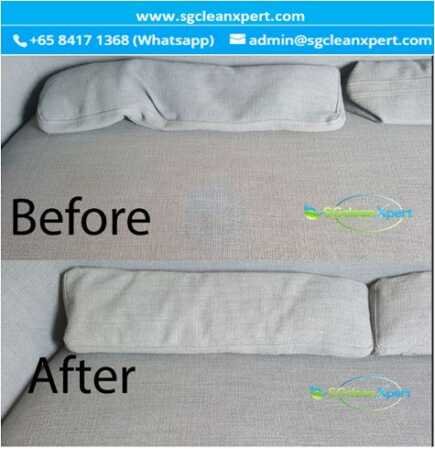
Before & After Fabric Sofa Cleaning Singapore
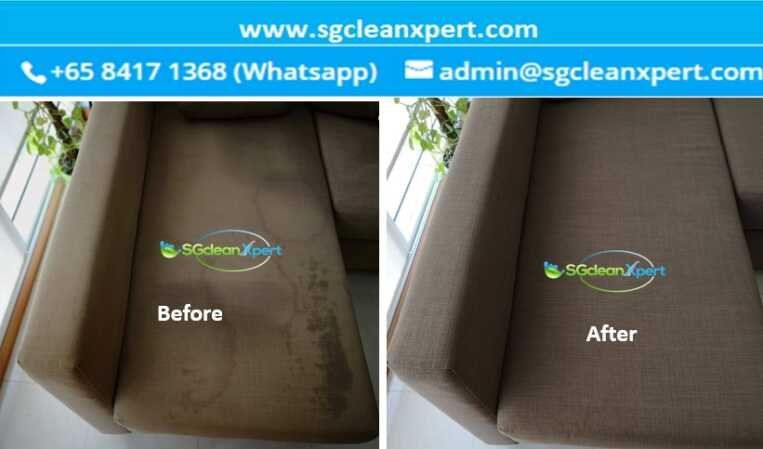
Before & After Professional Fabric Sofa Cleaning Services Singapore
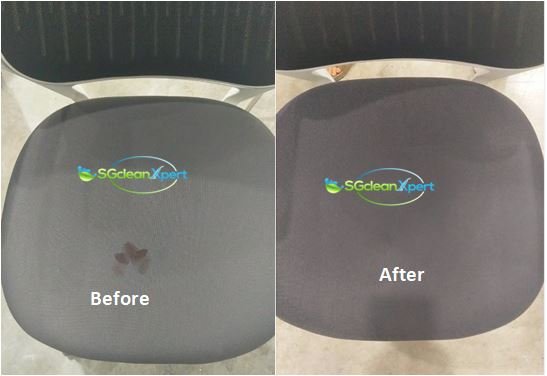
Before And After Office Chair Cleaning

Couch Cleaning Singapore
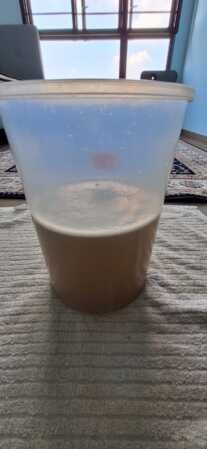
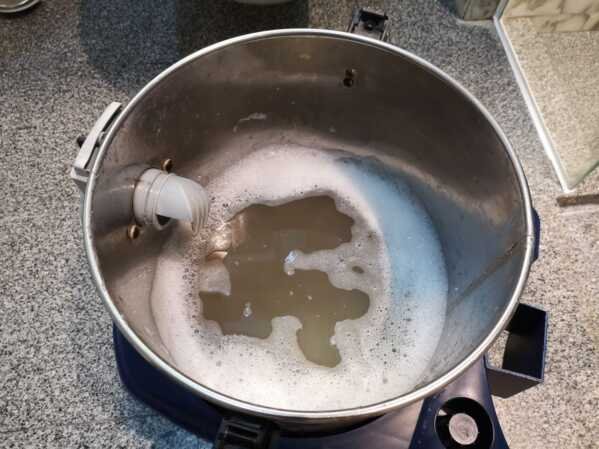
Dirt & Dust Mites extracted from Fabric Sofa Cleaning
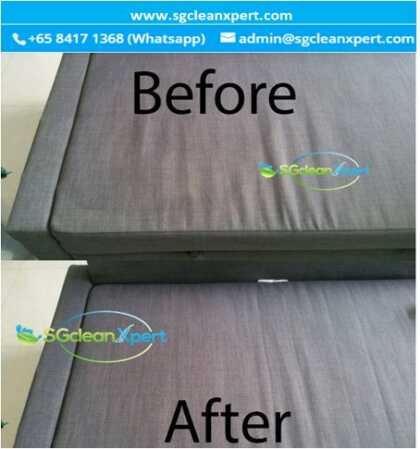
Professional Sofa & Fabric Furniture Cleaning
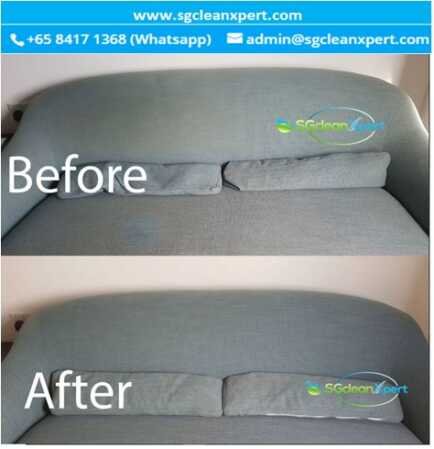
Professional Upholstery Cleaning Singapore
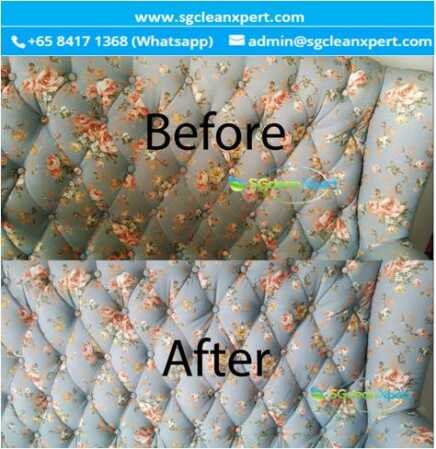
Upholstery Cleaner Singapore
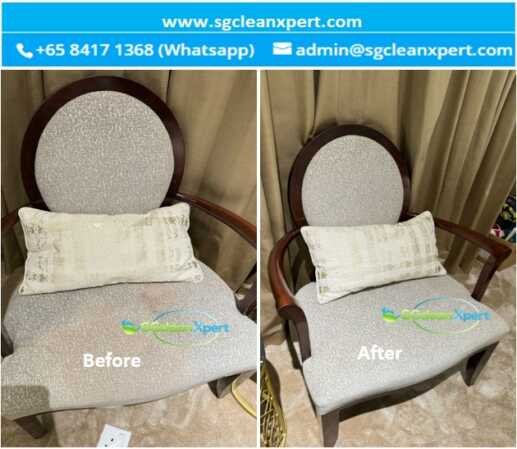
Upholstery Cleaning Service Singapore